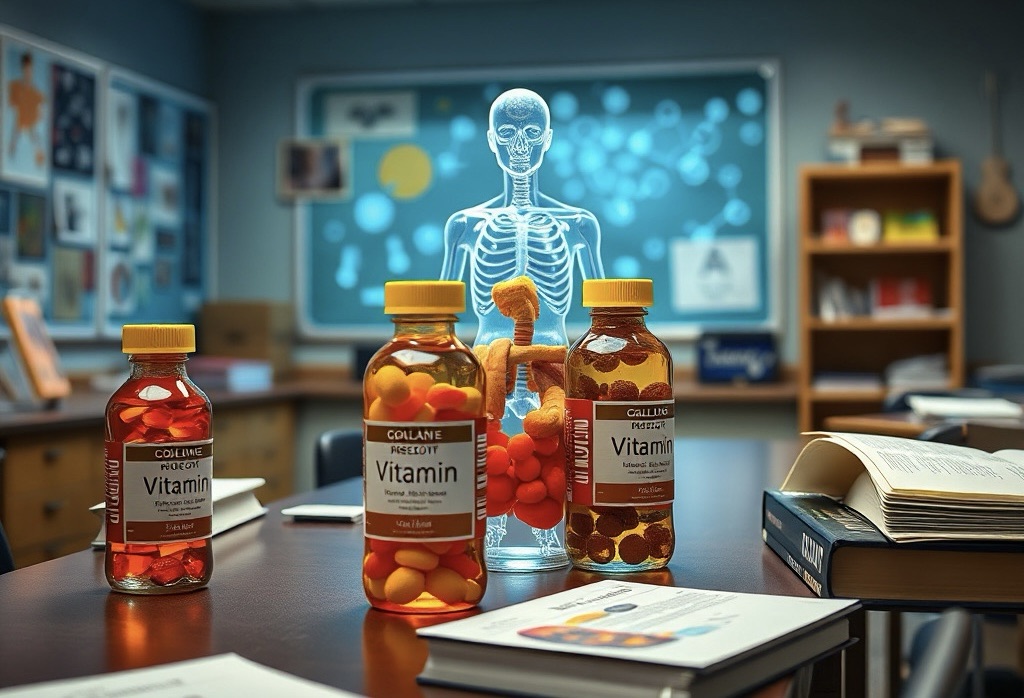
Once upon a time, someone discovered that certain diseases were caused not by infection but by a lack of essential nutrients.
Dr. Lind James and Sailors with Scurvy
One of the earliest and most famous of these discoveries was made by James Lind, a Scottish doctor in the mid-1700s who divided sailors into two groups to learn why they developed scurvy at sea. He gave one group citrus fruits and another something else, and the group that ate the citrus fruits recovered. We now know that it was the vitamin C that helped these sailors.
Thus, an instance identified the importance of vitamins.
My name is K.J. Maruna. I am an author of fantasy and historical fiction novels, and I’m on my journey to becoming a nursing student. Part of my methodology is to recreate my study in a blog post. This helps me retain information while providing tidbits of excellent information you might find helpful. (It also allows me to continue writing creatively—something without which I could not live—while focused on my studies.)
Today, I’m talking about vitamins.
Vitamins are tiny helpers inside our bodies. We don’t need much, but they’re important nonetheless. They don’t give us energy like food does, but they do aid in helping our bodies work the way they’re supposed to. Let’s break them down and see if we can’t learn something.
Fat-Soluble vs. Water Soluble
Let’s consider two significant categories all vitamins fall under: those that are “fat-soluble,” meaning they stay in our body’s fat deposits, and those that are “water-soluble,” and are used quickly, which means we need to eat them frequently to keep them replenished.
The Major Vitamins: A, D and all the Bs
Vitamin A is among the most important. It helps our vision and skin health, helps us grow, and aids in fighting off germs. If we don’t get enough, we can become very sick or even go blind, which remains a big problem around the world.
But like most good things, even too much vitamin A can be harmful. Vitamin A toxicity can result in nausea, vomiting, headaches, liver damage, and bone weakness, to name a few. Eat appropriate amounts of foods like carrots and leafy veggies packed with beta-carotene.
Let’s move to vitamin D, another of the most essential vitamins. It helps our bones grow. We get it from the sunlight, but those who can’t get enough that way have to fit vitamin D sources into their diets or take supplements.
Not enough can cause problems in our bones, like rickets in children. Too much can result in hypercalcemia, kidney damage, bone pain, and even heart problems.
Fatty fish, fortified dairy, juices and cereals, egg yolks, liver, and mushrooms are good sources of vitamin D.
Vitamin C helps our body heal and stay strong, and B vitamins (there are a bunch) help us against feeling tired or sick.
Eating a balanced diet with many different foods is essential to ensure we’re getting all the vitamins we need. If you’re ever feeling sick, weak, or ill, consider that it may not be something in your body but something your body is missing!




 K.J. Maruna
Leave a comment